

The Saturday "Liver Flush": Natural Detox Without the Fads

In the modern wellness industry, the word "detox" has become synonymous with extreme restriction, expensive juice cleanses, and temporary physiological shocks. We are told that we need to starve ourselves or consume nothing but lemon water and cayenne pepper for days to "cleanse" our systems. From the perspective of Traditional Chinese Medicine (TCM), however, this approach is not only unnecessary but potentially harmful. A true detox is not a period of deprivation; it is a period of focused support for the body's primary filtration organ: the Liver.
The TCM Liver (Gan) is a complex and vital system responsible for much more than just biological filtration. It is the "General" of the body's army, responsible for the smooth flow of Qi (energy), the storage and distribution of Blood, and the regulation of our emotional landscape. When the Liver is functioning optimally, we feel flexible, decisive, and emotionally balanced. When it is congested or "stagnant," we experience physical stiffness, irritability, and a general sense of being "stuck."
The "Saturday Liver Flush" is a protocol designed to work with your body's natural rhythms, utilizing the weekend's slower pace to clear the metabolic and emotional residue of the work week. This is a natural, sustainable method of detoxification that leaves you feeling replenished rather than depleted.
The Liver's Dual Role: Biological and Energetic Filtration
To understand why a TCM-based liver flush is so effective, we must first look at the Liver's dual role in exercise physiology and emotional health. In Western medicine, the liver is the primary site for the detoxification of drugs, alcohol, and metabolic byproducts like lactic acid. It filters the blood and prepares toxins for excretion through the bile or kidneys.
In TCM, the Liver has the additional responsibility of Storing the Blood and Regulating the Flow of Qi. During exercise or periods of high stress, the Liver releases Blood to the muscles and tendons to provide fuel and flexibility. When we rest, the Blood returns to the Liver to be "purified." However, if our Qi is stagnant due to chronic stress or a sedentary lifestyle, the Blood cannot return effectively, and toxins begin to accumulate. This leads to what we call "Liver Qi Stagnation."
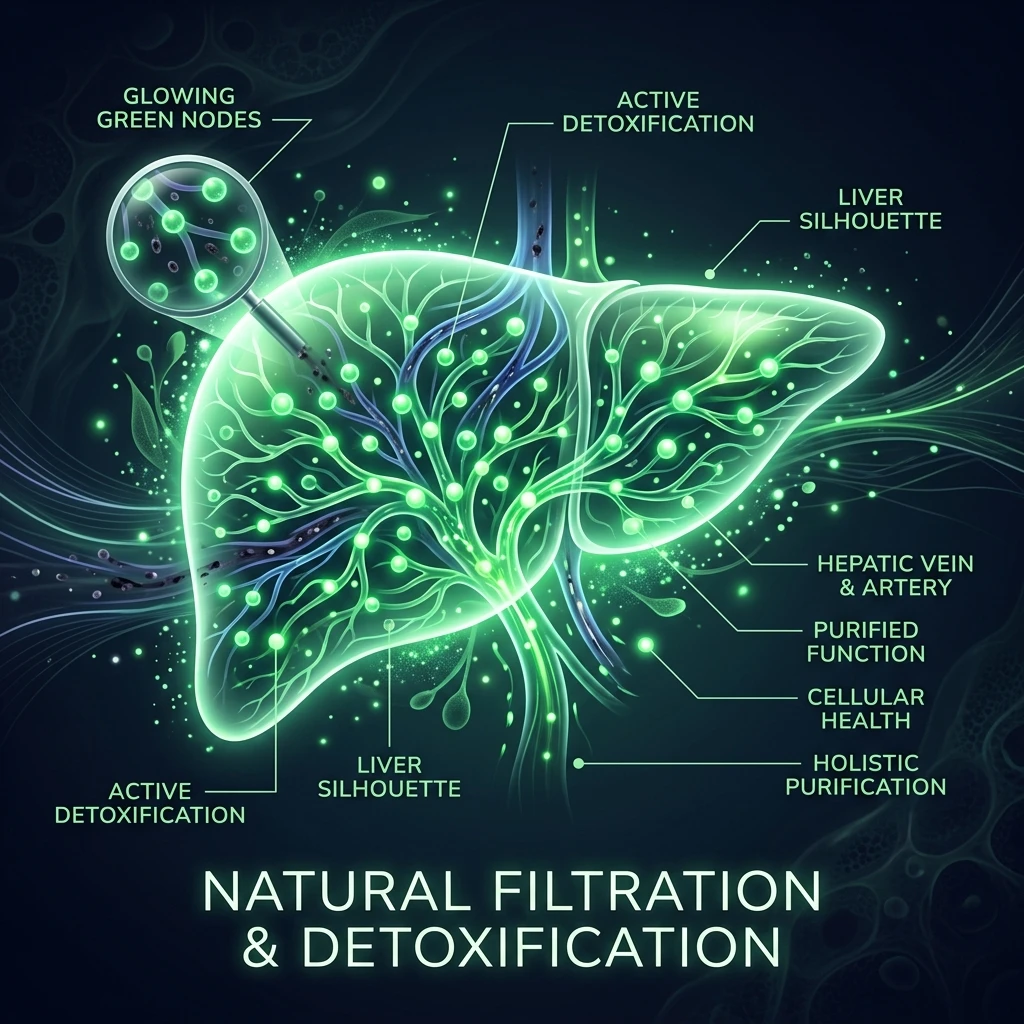
Figure 1: The TCM Liver as a filtration and distribution hub for Qi and Blood.
Phase 1: Unblocking the Gate (The Morning Ritual)
The first step in a Saturday Liver Flush is to "unblock the gates" of Qi movement. After a week of professional demands, our Qi is often tightly wound. We begin the morning not with a heavy breakfast, but with a simple circulatory primer.
Warm Water with Lemon and Ginger
The sour flavor is the "key" that unlocks the Liver. In TCM, the sour taste has an astringent quality that helps "collect" the Liver Qi, while the warmth of the water prevents the Spleen from becoming "damp" or sluggish. Adding a slice of fresh ginger provides a "pungent" counter-balance that encourages the Qi to move outward. This simple combination signals to the Liver that the filtration process is beginning.
The "Liver Sweep" Movement
Because the Liver meridian runs along the inner thighs and ends just below the ribs, gentle stretching is essential for physical detoxification. Spend 10 minutes performing "Side Bends" and "Inner Thigh Openers." This physically decompresses the area around the Liver and Gallbladder, allowing for better blood flow to the organ itself.
Phase 2: Clearing the Heat (The Midday Nutrition)
By midday, the focus shifts to "Clearing Heat." In TCM, "Heat" in the Liver often manifests as inflammation, high blood pressure, or a short temper. To clear this, we use specific "Bitter" and "Cooling" foods that drain the excess heat downwards.
The "Liver Flush" Salad
Forget the iceberg lettuce. A true Liver-supporting meal includes Dandelion Greens, Arugula, and Radicchio. The bitterness of these greens stimulates bile production--the primary way the Liver excretes fat-soluble toxins. Complement these with "Blood-nourishing" foods like beets and carrots. Beets are particularly prized in both Western and Eastern traditions for their ability to support liver enzymes and improve blood quality.
Avoid the "Damp" Traps
During your Saturday reset, it is crucial to avoid foods that create "Dampness," which acts like a thick fog in the Liver's filtration system. This means no dairy, no refined sugars, and no heavy, greasy oils. By removing these for just 24 hours, you give your Liver the "breathing room" it needs to process existing metabolic waste.
Phase 3: The Deep Filter (The Evening Reset)
The evening is when the Liver is most active in "Storing the Blood." This is the time for deep, restorative practices that support the organ's structural integrity.
The Castor Oil Pack
A traditional remedy that aligns perfectly with TCM principles, the castor oil pack involves placing a warm, oil-soaked flannel over the liver area (the lower right ribcage). The warmth encourages vasodilation, while the castor oil is believed to stimulate lymphatic flow and reduce local inflammation. This "external" support allows the "internal" filtration process to happen more efficiently.
ShenRest Breathwork
The Liver is also the seat of the "Hun" or Ethereal Soul--the part of our consciousness responsible for planning and vision. Stress "shackles" the Hun, leading to sleep disturbances and vivid, stressful dreams. Using the ShenRest 4-7-8 breathing technique before bed helps shift the nervous system into the parasympathetic state, allowing the Liver to perform its nighttime purification without interference from stress hormones like cortisol.
The Emotional Flush: Letting Go of the "Wood" Stagnation
In TCM, emotions are as "physical" as nutrients. Anger, frustration, and resentment are the specific emotions associated with the Liver. If these are not "processed" and "excreted," they create a form of energetic toxicity. During your Saturday flush, take 15 minutes to journal or simply reflect on the frustrations of the week. By consciously acknowledging these feelings, you "vent" the Liver Qi, preventing it from turning into physical "Heat" or long-term stagnation.
The Science of Bile: Why Bitters are the Biological Key
In modern hepatology, bile is understood not just as a digestive fluid, but as a primary excretory pathway for toxins. When the Liver filters the Blood, it packages fat-soluble metabolic waste, heavy metals, and hormone metabolites into bile. This bile is then stored in the Gallbladder and released into the small intestine for elimination. However, if our diet is dominated by sweet and greasy foods, bile can become "sludge-like"--thick, stagnant, and difficult to move.
The bitter flavor, found in the greens recommended for our Saturday Flush, triggers the "bitter taste receptors" (T2Rs) in the gut. This trigger stimulates the release of cholecystokinin (CCK), which causes the Gallbladder to contract and the Liver to produce fresh, thin bile. This is the physiological mechanism behind the "flush." By using bitters on a Saturday, you are essentially "power-washing" your internal filtration system, ensuring that the waste collected during the week is actually moved out of the body rather than reabsorbed.
Common Detox Pitfalls: Why Fads Often Fail
Most commercial detoxes fail because they address only the "clearance" phase while ignoring the "nourishment" phase. In TCM, detoxification is a high-energy process. If you starve the body or consume only cold juices, you "douse" the Spleen Yang--the metabolic fire needed to process the very toxins you are trying to release. This often leads to a "healing crisis" or "re-tox" effect, where you feel worse after the cleanse than before.
The Saturday Liver Flush is designed to be "Yang-Sustaining." By including warm water, ginger, and nutrient-dense (though clean) meals, you provide the Spleen with the energy it needs to support the Liver. This is why our protocol includes cooked vegetables and mineral-rich broths. We aren't just taking things away; we are giving the body the specific tools it needs to do its job more effectively. A true detox should leave you feeling grounded and strong, not lightheaded and depleted.
The Role of the Gallbladder: The Decision Maker
In TCM, the Liver and Gallbladder are a "paired" system (Zang-Fu). While the Liver is responsible for "planning," the Gallbladder is responsible for "decision-making" and "courage." Chronic stress often leads to a state of "Gallbladder Damp-Heat," which manifests as indecision and a feeling of being mentally "stuck." By clearing the Liver on Saturday, you are simultaneously decongesting the Gallbladder. This is why many people report a sudden "burst" of clarity or a breakthrough on a project the day after a proper Liver reset. You aren't just cleaning your blood; you are clearing your path for the week ahead.
Saturday Flush Checklist
- 08:00 AM: 12oz Warm water with half a lemon and 1 slice of ginger.
- 09:00 AM: 15 minutes of "Liver Sweep" stretching (focus on side body and inner thighs).
- 12:30 PM: Large bitter green salad with beets, olive oil, and lemon dressing.
- 03:00 PM: 20-minute walk in nature (Green is the color of the Liver; visual "Greenness" helps soothe Liver Qi).
- 08:00 PM: Castor oil pack or warm compress over the right ribcage for 30 minutes.
- 10:00 PM: Lights out. The Liver-Gallbladder time is 11 PM to 3 AM. Being asleep during this window is non-negotiable for a true detox.
Conclusion: The Outcome of a Regulated Liver
When you follow a natural, TCM-based Liver Flush, you don't wake up on Sunday feeling weak or hungry. Instead, you wake up with clear eyes (the Liver "opens" into the eyes), a clear mind, and a body that feels light and ready for movement. By supporting the Liver's natural phases of detoxification, you aren't just "cleaning" your body--you are optimizing your entire energetic system for the week ahead.

Our ShenRest AI coach provides custom weekend reset protocols to ensure you start the next week with a clear body and a calm mind. Don't just survive the week--prepare for it.
>> Unlock Your AI Calm Coach <<
Medical Disclaimer: The information provided in this article is for educational and informational purposes only and is not intended as medical advice, diagnosis, or treatment. Always seek the advice of your physician or other qualified health provider. For more details, visit our Medical Disclaimer page.