
The Afternoon Vitality Dip: Why Your "Internal Battery" Drains at 4 PM
It is the 4:00 PM slump. Your focus is evaporating, your internal battery is at 5%, and you are reaching for a third cup of caffeine or a sugary snack to survive the final stretch of the workday. This is not just "a long afternoon"--it is a physiological signal that your Vitality Reserves are running low. In Traditional Chinese Medicine (TCM), this specific time of day is a transition point where your system naturally wants to consolidate its energy. When you "push through" using stimulants, you are not creating new energy; you are taking a high-interest loan from your future self. To achieve sustained, high-level performance, you must learn to manage your "Metabolic Fire" instead of just throwing more fuel on a dying flame.

The Physiology of the Midday Drain
To understand why your energy dips in the afternoon, we must look at the two primary sources of vitality in TCM: the Spleen and the Kidneys. The Spleen is your "Post-Natal" engine--it takes the food and air you consume and transforms it into the "Gu Qi" (Food Energy) that powers your daily activities. The Kidneys are your "Pre-Natal" battery--they hold your "Jing" (Essence), the foundational energy you were born with. Think of the Spleen as the alternator of a car and the Kidneys as the battery itself.
By 4:00 PM, most of the "Gu Qi" you generated from breakfast and lunch has been consumed by the cognitive and physical demands of the day. If your Spleen is weak (due to poor diet, overthinking, or irregular eating), it cannot keep up with the demand. At this point, the body begins to pull energy from the Kidneys--the "Internal Battery"--to keep you going. This is a critical error for long-term health. The Kidney battery is meant for emergencies and long-term resilience, not for surviving a Wednesday afternoon. When you habitually drain this battery, you experience "Kidney Qi Deficiency," which manifests as lower back pain, knee stiffness, and eventually, chronic fatigue.
From a Western perspective, this dip corresponds with a natural trough in your circadian rhythm and a spike in "Adenosine" levels--the chemical that signals the brain to rest. When you reach for caffeine, you are blocking the adenosine receptors, but you are not removing the chemical. You are simply "masking" the exhaustion while continuing to burn your metabolic reserves. This leads to the classic "Caffeine Crash" and disrupted sleep patterns that make the next day's dip even more severe.
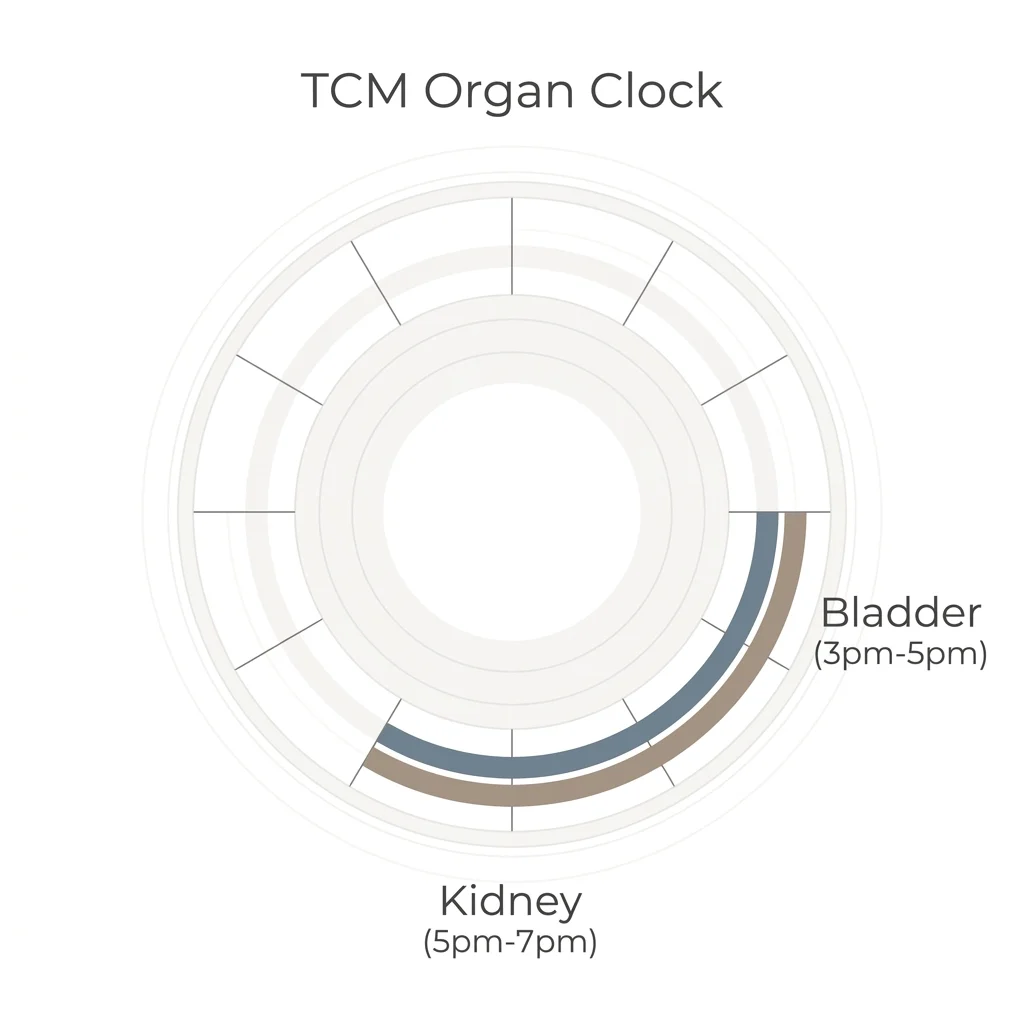
Figure 1: The "Internal Battery" depletion cycle during the afternoon transition.
Case Study: James and the "Sugar-Caffeine Loop"
James is a 42-year-old financial analyst who prided himself on his "high-output" work ethic. However, every day at 3:30 PM, James would hit a wall. His solution was a double espresso and a protein bar (often high in hidden sugars). This would give him a 90-minute window of hyper-focus, followed by a severe crash at 6:00 PM. By the time he got home, he was too exhausted for the gym or his family, and he needed alcohol to "wind down" before bed.
James was stuck in a "Sugar-Caffeine Loop" that was systematically draining his Spleen Yang. His "Internal Fire" was so weak that he could no longer transform food into energy efficiently; he was purely reliant on external stimulants. We replaced his 3:30 PM coffee with a "Warm Vitality Protocol." Within three weeks, James reported that his afternoon dip had leveled out from a "crash" to a "gentle lull." He had enough energy for an evening workout for the first time in years, and his sleep quality improved by 40%.
The Organ Clock: The Water Phase Transition
The TCM Organ Clock provides the blueprint for managing this energy shift. The hours between 3:00 PM and 7:00 PM are governed by the Bladder and Kidney systems--the "Water" element.
- 3:00 PM - 5:00 PM (Bladder Time): This is the time of the "Sludge Flush." The Bladder channel is the longest in the body, and its job is to move waste out of the system. If you are dehydrated or sitting still, this "flushing" mechanism stalls, leading to mental "heaviness."
- 5:00 PM - 7:00 PM (Kidney Time): This is the time of "Consolidation." The system is trying to draw energy back to the core to repair the bones and marrow. This is why you often feel a second wind after 7:00 PM if you rest during this window; your battery has had a chance to recharge.
By understanding this, we see that the 4:00 PM slump is actually your body asking for "Cooling and Consolidation," not "Heating and Pushing."
The KineticQi Vitality Protocol
This protocol is designed to reignite your "Metabolic Fire" without draining your "Internal Battery."
Phase 1: The "Goji Re-Charge" (Nutritional Support)
Instead of coffee, drink a cup of warm water with 10-15 dried Goji Berries (Gou Qi Zi). In TCM, Goji berries are a powerful tonic for both the Kidneys and the Liver. They provide a "slow-release" form of energy that nourishes the "Yin" (fluids) while supporting the "Yang" (fire). Eating the berries after they have softened in the water provides essential polysaccharides that stabilize blood sugar and prevent the 4:00 PM "glucose drop."
Phase 2: The "Yongquan" Reset (Physical Support)
If you are at your desk, take off your shoes for 60 seconds. Place a tennis ball or a dedicated massage ball under the "Yongquan" point (KI1), located in the center of the upper third of the sole of your foot. Apply firm pressure and roll. This point is known as the "Gushing Spring." It is the only point on the sole of the foot and acts as a direct "grounding wire" to pull stagnant energy down from the head and draw fresh "Earth Qi" up into the Kidney system. It provides an instant "clarity spike" without the jitteriness of caffeine.
Phase 3: The Diaphragmatic "Fan" (Oxygen Support)
The Spleen needs oxygen to "burn" fuel. When we sit for hours, our breathing becomes shallow, and our internal fire begins to smolder. Stand up, place your hands on your lower back, and take 10 deep "Belly Breaths," focusing on expanding your lower back as you inhale. This mechanically "massages" the Kidneys and fans the Spleen's fire, providing a natural surge of ATP production.

Figure 2: The outcome of the Vitality Protocol: Sustained energy and a charged battery.
Advanced Techniques for Sustained Performance
For those who need to maintain peak performance during high-stakes afternoon sessions, we can add layers of "Yang" support to the system.
Moxibustion on the "Life Gate"
The "Mingmen" point (DU4) is located on the spine, directly opposite the navel. This is the "Gate of Life." For those with chronic afternoon fatigue, using a self-heating moxa patch on this area during the day provides a continuous "thermal boost" to the Kidney Yang. It acts like a "space heater" for your internal battery, ensuring it doesn't drop into the red during the 4:00 PM transition.
The "Rhythmic Movement" Hack
Stagnation is the enemy of vitality. If your work requires sitting, set a timer for 50 minutes. Every 50 minutes, perform 1 minute of "Shaking Exercise" (gently bouncing on your heels and shaking your limbs). This vibrates the "interstitial fluid" and prevents "Metabolic Sludge" from settling into your joints and blood, keeping your internal "Alternator" (the Spleen) spinning at peak efficiency.
Conclusion: Lead Your Energy, Don't Chase It
The afternoon vitality dip is not an inevitable part of the workday; it is a management problem. By stopping the "Caffeine-Sugar" loan cycle and implementing the KineticQi protocol, you switch from "Energy Spending" to "Energy Investing." You protect your Kidney battery and support your Spleen engine, ensuring that you finish your day with a surplus rather than a deficit. Stop chasing energy with stimulants and start leading your system with biological intelligence.
Our KineticQi AI coach provides personalized vitality-boosting protocols to keep your battery charged throughout the entire day. By analyzing your activity levels and recovery markers, we ensure your "Metabolic Fire" never goes out. Level up your performance today.
>> Unlock Your AI Performance Coach <<
Medical Disclaimer: The information provided in this article is for educational and informational purposes only and is not intended as medical advice, diagnosis, or treatment. Always seek the advice of your physician or other qualified health provider. For more details, visit our Medical Disclaimer page.